

Parenting & Mental Health
Jun 6, 2026•15 min read
Why the Most Loving Parents Explode the Hardest
The neuroscience of parental anger, the shame spiral that makes it worse, and the one thing that actually heals it.
By M. E.Read

Evidence-based insights for mindful parenting and emotional wellness
Evidence-based insights for mindful parenting and emotional wellness
The neuroscience of parental anger, the shame spiral that makes it worse, and the one thing that actually heals it.

Why the behavior in front of you is almost never the real trigger of parental anger — and what's actually happening beneath the surface.

For three seconds, it feels like relief. Then comes everything else — what the brain does, what the child hears, and why the strategy that feels like control is the clearest proof you've lost it.

The guilt arrives like clockwork. The shame spiral begins. And then — if you know how — comes the most important parenting moment of all.

Why willpower alone never works — and what the neuroscience of habit formation actually says about breaking the pattern for good.
Understanding inherited patterns and creating a new family legacy

The neuroscience behind parenting triggers — and why your nervous system, not your parenting skills, is driving those explosive reactions.

The science of neuroplasticity for parents — how old patterns get wired, why new ones can be built, and why becoming a parent makes your brain more changeable than ever.

How your childhood relationships shape your parenting — and how the concept of earned security offers a path to healing attachment wounds.

The parenting skill that matters more than perfection — why ruptures happen in every family and how genuine repair builds secure attachment.

What research says about raising responsible children — and why the original meaning of discipline offers a more effective path than punishment.
Essential language skills for healthcare professionals

The growing importance of bilingual communication in modern medicine — and why Medical Spanish has become one of the highest-return professional skills available today.
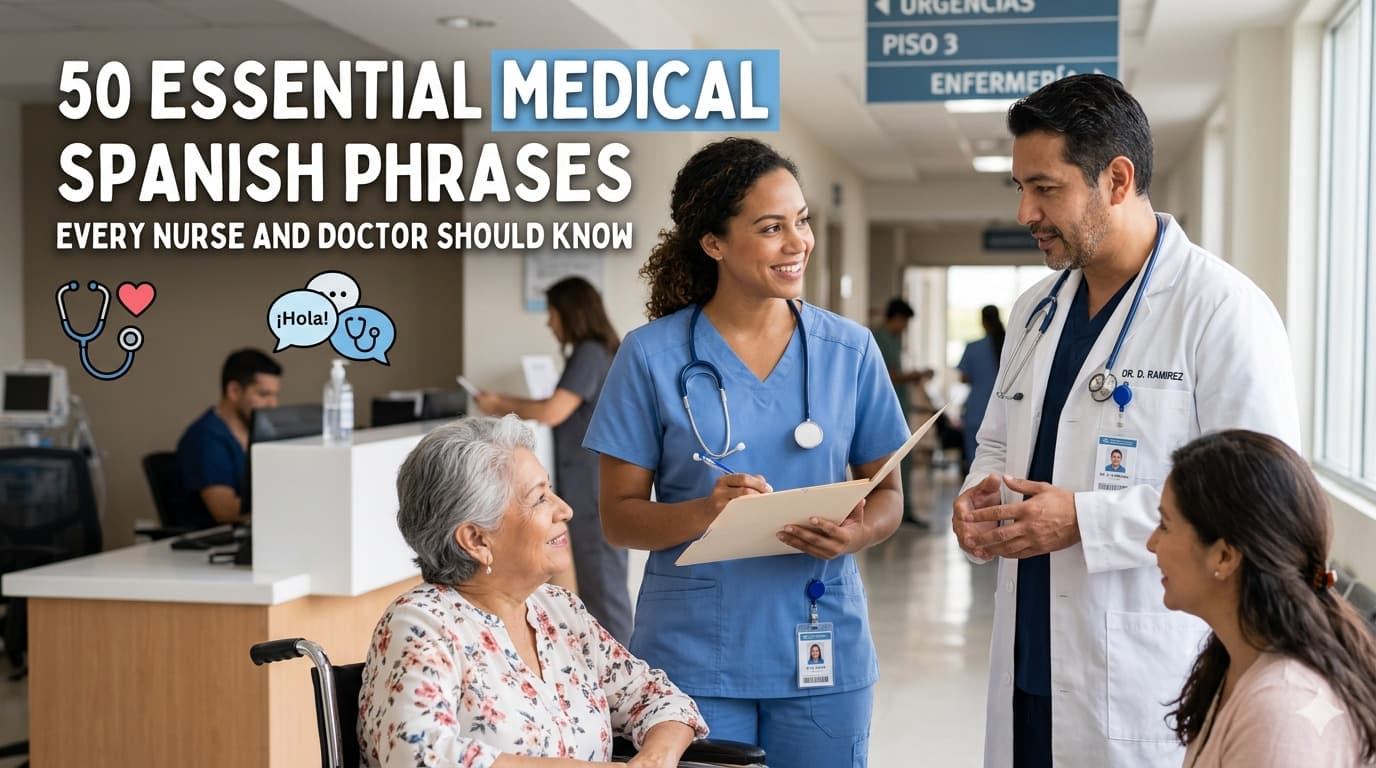
Core vocabulary for immediate clinical use with Spanish-speaking patients — phrases that improve communication, trust, and efficiency.

A step-by-step guide for healthcare professionals — a structured Medical Spanish interview process that improves communication and diagnostic accuracy.

Critical phrases that save time — rapid assessment questions for chest pain, breathing difficulties, trauma, and altered mental status.

And how to avoid them — eight common errors that create confusion, and how to correct them for clearer clinical communication.

The critical role of language in quality healthcare delivery — reducing medication errors, improving diagnostics, and building trust.